How to Recognize When You Need Orlando AC Service for Your Air Conditioning Unit
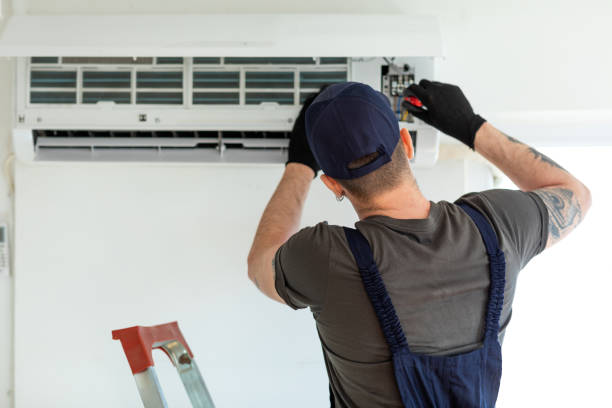
Air conditioning systems are vital for maintaining comfortable indoor temperatures, especially during extreme weather conditions. However, like any mechanical system, they have a finite lifespan. Knowing when your AC unit requires immediate replacement is crucial to avoid costly repairs and ensure maximum efficiency. Below are key signs that indicate it’s time to consider replacing your air conditioning unit.
1. Frequent Breakdowns
If you find yourself calling an HVAC technician multiple times a year for repairs, it may be more cost-effective to replace the unit entirely. Frequent malfunctions suggest that the system is reaching the end of its useful life. Keep track of repair costs—if they approach or exceed 50% of the cost of a new unit, replacement might be the better option.
2. Rising Energy Bills
A noticeable increase in your energy bills without a change in usage patterns can point to an inefficient AC system. Older units tend to lose efficiency over time due to wear and tear on internal components. Replacing your outdated air conditioner with an energy-efficient model can significantly reduce utility costs while improving performance.
3. Uneven Cooling or Poor Performance
If some rooms in your home are too warm while others are too cold, or if your AC struggles to maintain consistent temperatures despite proper maintenance, it could be a sign that the system is no longer adequate for your needs. Aging systems may also fail to remove humidity effectively, leading to discomfort.
4. Unusual Noises and Odors
Loud banging, screeching, or grinding noises from your air conditioner often signal severe mechanical issues such as failing motors or compressors. Similarly, unpleasant odors—whether musty (indicating mold) or burning (suggesting electrical problems)—should not be ignored and may necessitate immediate replacement.
5. Expired Lifespan
Most air conditioning units have a lifespan of around 10–15 years when properly maintained. If your system is nearing or has exceeded this range, its performance and efficiency will likely decline significantly despite regular servicing.
| Common Lifespan by Unit Type | Average Years |
| Central Air Conditioning | 12–15 |
| Ductless Mini-Split Systems | 15–20 |
6. Use of R-22 Refrigerant
Older AC units often rely on R-22 refrigerant (commonly known as Freon), which has been phased out due to environmental concerns. If your system uses R-22 and requires refrigerant replenishment or repairs involving leaks, replacing it with a modern unit that utilizes eco-friendly refrigerants like R-410A is recommended.
Top Reasons to Replace Your Air Conditioning Unit with an HVAC Company Orlando, FL
- Improved Energy Efficiency: Newer models offer higher SEER (Seasonal Energy Efficiency Ratio) ratings.
- Lower Repair Costs: Reduced need for frequent maintenance.
- Enhanced Comfort: Better temperature control and humidity management.
- Eco-Friendliness: Compliance with modern environmental standards and refrigerants.
- Increased Home Value: A new HVAC system can boost property resale value.
Recognizing these signs early enables homeowners to plan their budget effectively while avoiding unnecessary downtime caused by an unexpected AC failure during peak seasons. Regular maintenance and periodic evaluations by licensed HVAC professionals can further help extend the life of newer systems post-replacement.
By identifying these issues early on and acting promptly, you can ensure that your home remains comfortable year-round while minimizing unexpected expenses related to emergency replacements.
Comprehensive Guide to the Orlando AC Repair Evaluation Process During an HVAC Service Appointment
When you schedule an HVAC service appointment, it’s important to understand what should take place during the evaluation process. A thorough inspection helps diagnose potential issues, ensures your system is running efficiently, and prevents costly repairs down the road. Below is a detailed breakdown of what to expect during a professional HVAC service appointment.
1. Initial System Assessment
- Visual Inspection: Checking for visible signs of wear, rust, corrosion, or damage to components such as coils, fans, and ductwork.
- Operational Testing: Turning on the system to assess its performance in both heating and cooling modes.
- Noise Diagnosis: Listening for unusual noises like grinding or squealing that may indicate mechanical issues.
The purpose of this step is to identify any glaring concerns and determine if further diagnostics are needed.
2. Thermostat Check
- The technician will verify that the thermostat is calibrated correctly.
- Programmable settings will be checked to ensure alignment with your usage patterns.
- If necessary, you may receive recommendations for upgrading to a smart thermostat for better efficiency.
3. Airflow and Ductwork Inspection
| Common Ductwork Issues Checked | Potential Impacts |
| Leaks or cracks | Loss of efficiency |
| Clogs or obstructions | Restricted airflow |
| Poor insulation | Energy waste |
Proper airflow ensures that your system operates at peak capacity while maintaining consistent comfort throughout your home.
4. Refrigerant Level Examination
- The technician measures refrigerant levels using specialized tools.
- Any leaks in the refrigerant lines are identified and repaired.
- Recommendations are made if recharging or replacement fluids are needed.
Low refrigerant levels can lead to inefficient cooling and excessive energy consumption.
5. Mechanical Component Inspection
- Motors
- Belts
- Fans
- Compressors
Any worn-out or damaged components are noted and replaced as needed to prevent breakdowns during peak usage seasons.
6. Cleaning Tasks
- Removing debris from outdoor units (for central air systems).
- Cleaning condenser coils and evaporator coils to optimize heat exchange processes.
- Replacing dirty air filters with clean ones—this simple task alone significantly boosts performance.
7. Safety Checks
- Inspecting electrical connections for fraying wires or loose terminals.
- Ensuring gas lines in heating systems are secure (if applicable).
- Testing carbon monoxide detectors near heating equipment.
These measures protect both your family’s safety and your equipment’s longevity.
Why Is the Evaluation Process Important?
- Improved System Longevity: Early detection of small issues prevents larger problems from developing over time.
- Better Efficiency: Regular maintenance reduces energy consumption while maintaining optimal comfort levels.
- Cost Savings: Preventative care lowers repair costs by addressing minor concerns before they escalate into major failures.
By understanding these steps, homeowners can ensure their HVAC system remains reliable year-round while avoiding unnecessary expenses associated with neglecting routine maintenance tasks.
Regularly scheduling service appointments not only optimizes performance but also adds years to the life of your equipment—making it a valuable investment in home comfort management strategies over time.
Optimal Solutions for Orlando FL Air Conditioning Repair and HVAC Maintenance
Regular maintenance of your HVAC system can ensure its longevity and efficiency, but there comes a time when critical components will need replacement. Recognizing when and why essential HVAC parts should be replaced is vital to prevent costly breakdowns, maintain energy efficiency, and ensure optimal performance. Below is an overview of common HVAC parts that may need replacement and the reasons behind it.
Common HVAC Parts That Require Replacement
- When to Replace: Every 1-3 months, depending on usage and air quality.
- Why: Dirty air filters reduce airflow, strain the system, increase energy bills, and diminish indoor air quality.
- When to Replace: If leaks are detected or if refrigerant levels drop frequently.
- Why: Refrigerant leaks can cause a drop in cooling performance, increase energy consumption, or damage the compressor over time.
- When to Replace: When unusual noises occur or airflow significantly decreases.
- Why: A faulty blower motor disrupts even distribution of heated or cooled air throughout your space.
- When to Replace: Typically every 5-10 years or if issues such as system failure or intermittent operation arise.
- Why: These electrical components power the motors in your unit; worn-out capacitors or contactors can cause frequent start-up failures.
- When to Replace: If it malfunctions, fails to calibrate temperature accurately, or cannot connect with modern smart systems.
- Why: A defective thermostat leads to inconsistent indoor temperatures and inefficient system operation.
- When to Replace: When it fails completely or repairs become cost-prohibitive compared to replacement.
- Why: As the “heart” of an AC system, a damaged compressor can lead to total failure of cooling functions.
Signs That Indicate It’s Time for Replacement
- Frequent cycling on/off (short cycling).
- Increased utility bills despite regular maintenance.
- Unusual noises such as banging, clicking, or hissing from your system.
- Inconsistent heating/cooling performance across different areas of your home.
- Excessive moisture around refrigerant lines or other components.
Tips for Efficient Part Replacement
- Work with a licensed HVAC professional who has experience diagnosing part failures correctly.
- Use high-quality replacement parts recommended by the manufacturer for compatibility with your existing unit.
- Consider upgrading key components like thermostats or motors for improved energy efficiency when replacing older parts.
- Always request a detailed inspection report from your technician during routine maintenance visits so potential issues can be addressed proactively before they escalate into major problems.
| Part Type | Expected Lifespan | Signs It Needs Replacement |
| Air Filter | 1–3 months | Dust buildup; reduced airflow |
| Capacitor | 5–10 years | System won’t start; humming noise |
| Thermostat | 7–10 years | Temperature inconsistency |
| Blower Motor | 10–20 years | Poor airflow; strange sounds |
| Compressor | 10–15 years | System not cooling effectively |
Proper upkeep coupled with timely part replacements plays a significant role in keeping your HVAC system running optimally year-round. By addressing failing components early on, you’ll save money on repairs while ensuring comfort and reliability for years ahead.
How Changing Air Filters Regularly Impacts HVAC Efficiency and Performance
Proper maintenance is critical for ensuring your HVAC system operates efficiently and effectively. One of the simplest yet most impactful tasks you can perform is regularly changing your air filters. Over time, air filters accumulate dirt, dust, and debris, which can negatively affect both the performance of your system and the quality of indoor air. Below, we explore why this seemingly small task is so essential and how it impacts your HVAC system.
Benefits of Regularly Changing Air Filters
- A clogged or dirty filter forces your HVAC system to work harder to pull air through.
- Increased energy demand leads to higher utility bills.
- Clean filters enable smooth airflow, reducing strain on the motor and conserving energy.
- Dirty filters allow allergens, dust particles, and bacteria to circulate in the air.
- Regular replacement ensures contaminants are trapped effectively, promoting healthier indoor environments.
- This is especially important for households with individuals prone to allergies or asthma.
- Neglected filters can cause overheating or wear down components like fans and motors due to increased workload.
- Regular maintenance reduces unnecessary stress on the HVAC unit and helps avoid costly repairs.
- With proper filter changes, the system will function efficiently for its intended lifespan or longer.
- A dirty filter restricts airflow, causing uneven temperatures throughout your home.
- Clean filters ensure even distribution of heated or cooled air in all areas.
How Often Should You Change Your Air Filter?
| Usage/Condition | Recommended Frequency |
| Standard fiberglass filters | Every 30 days |
| Pleated high-efficiency filters | Every 3 months |
| Homes with pets | Every 60 days |
| Allergy sufferers | Every 20-45 days |
| Light HVAC usage (seasonal homes) | Once every 6-12 months |
Steps for Replacing an Air Filter
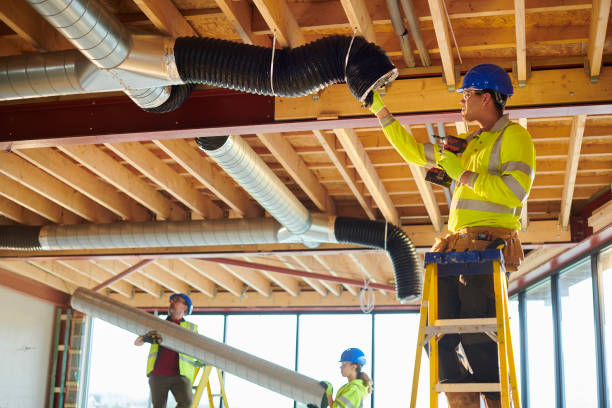
To change an air filter properly:
1. Turn off your HVAC system before replacing the filter to prevent debris from entering the unit.
2. Locate the air filter compartment (usually near return air duct or blower section).
3. Remove the old filter carefully to avoid spreading trapped debris into surrounding areas.
4. Check dimensions printed on the old filter or manual; purchase a compatible replacement size/type if needed.
5. Insert the new filter with arrows pointing in the direction of airflow (toward ductwork/fan).
6. Securely close any panels before turning back on your system.
Signs You Need an Immediate Filter Change
Even if you’re following a regular schedule, certain symptoms may indicate it’s time for a quicker replacement: – Dust buildup around vents or registers – A noticeable decrease in airflow – An increase in allergy symptoms indoors – Unexpected spikes in energy bills
Regular attention to changing air filters is one of the most cost-effective ways to enhance HVAC efficiency while maintaining comfort inside your home year-round. Neglecting this routine maintenance step can lead to expensive repairs, poor indoor air quality, and higher operational costs over time—issues that are easily avoided with proper care.
How Changing Air Filters Regularly Impacts HVAC Efficiency and Performance
Regularly changing your air filters is one of the simplest yet most effective maintenance tasks you can perform to ensure your HVAC system operates efficiently. This seemingly small step has a significant impact on the system’s performance, energy consumption, and indoor air quality. Below are key reasons why regular air filter changes are essential for your HVAC system.
Benefits of Changing Air Filters
- Improved Energy Efficiency
Dirty or clogged air filters restrict airflow, forcing your HVAC system to work harder than necessary. This increased strain leads to higher energy consumption and utility bills. A clean air filter allows for smooth airflow, reducing the workload on your system and helping it operate at peak efficiency. - Enhanced Indoor Air Quality
Air filters trap dust, allergens, pet dander, and other airborne particles circulating in your home. Over time, these contaminants accumulate in the filter. If not replaced regularly, the filter becomes ineffective and can allow pollutants into your living spaces. Clean filters ensure that the air you breathe is healthier and free from harmful particles. - Extended Lifespan of Your HVAC System
When an air filter is dirty or clogged, it forces your HVAC system to overwork to maintain desired temperatures. This additional strain can lead to wear and tear on critical components like fans and motors. Regularly replacing filters reduces unnecessary stress on the system, extending its overall lifespan. - Consistent Comfort Levels
An obstructed airflow caused by a dirty filter can make it difficult for your HVAC system to maintain consistent temperatures throughout your home. Clean filters promote even airflow distribution across all rooms, keeping you comfortable regardless of seasonal changes.
How Often Should You Change Your Air Filters?
| Factors | Recommended Frequency |
| Type of Filter | 1-6 months |
| Home with Allergies | Every 1-2 months |
| Pets in Home | Every 2 months |
| Standard Usage | Every 3 months |
Always consult the manufacturer’s guidelines for specific recommendations regarding your HVAC unit’s make and model.
Signs Your Air Filter Needs Replacement
- Increased dust buildup around vents or furniture.
- Unusual odors when the system is running.
- Higher-than-normal energy bills.
- Reduced airflow from vents.
- Allergy symptoms like sneezing or coughing due to poor indoor air quality.
Best Practices for Maintaining Clean Air Filters
- Set reminders every few months to check or replace the filters.
- Use high-quality HEPA (High-Efficiency Particulate Air) filters if allergies are a major concern.
- Inspect additional components like ducts and vents during filter replacement for any buildup or blockages.
By making regular air filter changes a priority, you can not only improve comfort levels at home but also save money on repairs and energy costs long term while preserving the health of those in your household.
Expert Tips for Choosing the Right HVAC Contractor for Your Needs
Selecting the right HVAC contractor is a critical decision that impacts the comfort, safety, and efficiency of your home or business. With numerous options available, it can be challenging to differentiate between professionals who truly excel in their field and those who may fall short. Below are expert tips to guide you in choosing the best contractor for your HVAC needs.
Verify Proper Licensing and Certification
Before hiring an HVAC contractor, ensure they possess the necessary licenses and certifications required by your state or municipality. This ensures that they meet industry standards for safety and technical expertise. Look for contractors with certifications from recognized organizations like:
– NATE (North American Technician Excellence)
– HVAC Excellence
– EPA Section 608 Certification (for handling refrigerants)
These credentials reflect a commitment to ongoing education and adherence to industry best practices.
Assess Experience and Specialization
It’s essential to choose a contractor with extensive experience handling systems similar to yours. Ask questions such as:
– How many years have you been in business?
– Do you specialize in residential, commercial, or both types of HVAC systems?
– Are you familiar with energy-efficient systems or smart HVAC technologies?
An experienced contractor will have the expertise needed to resolve complex problems while ensuring optimal system performance.
Check References and Reviews
Researching online reviews from previous customers can provide valuable insights into a contractor’s reliability, professionalism, and quality of work. Platforms like Google Reviews, Yelp, or specialized industry sites are excellent resources.
Additionally:
– Request references directly from the contractor.
– Speak with past clients about their experiences regarding timeliness, communication, and workmanship.
Compare Written Estimates
Never settle on an estimate based solely on price. Always request written estimates from at least three contractors before making a decision. A detailed estimate should include:
| Itemized Costs | Description | Notes |
|—————–|————-|——-|
| Labor Fees | Installation/Repair labor costs | Ensure competitive pricing |
| Equipment Costs | Price of replacement parts/system units | Verify brands/models offered |
| Warranty Terms | Coverage details for parts & labor | Look for long-term guarantees |
Avoid contractors who provide vague or verbal quotes without documentation.
Evaluate Communication Skills
A professional contractor should prioritize clear communication throughout every step of the process. Key indicators include:
– Willingness to answer questions thoroughly
– Providing detailed explanations about repair or installation options
– Offering transparent timelines for project completion
Contractors who communicate well are more likely to establish trust and deliver results tailored to your specific needs.
Look for Maintenance Plans and Energy-Saving Solutions
A high-quality HVAC contractor doesn’t just handle installations—they also offer preventive maintenance plans designed to extend system life while improving efficiency. Inquire about service packages that include regular inspections, cleaning schedules, or tune-ups tailored toward energy savings.
Finally, choose contractors who emphasize eco-friendly solutions such as programmable thermostats or high-efficiency systems that align with current energy standards.
By taking these steps during your search process—testing qualifications rigorously while assessing customer feedback—you can secure a skilled professional capable of delivering reliable results long-term without unnecessary stress or cost overruns.
Maximizing Energy Efficiency with Smart HVAC System Upgrades
Upgrading your HVAC system with smart technology is one of the most effective ways to improve energy efficiency and reduce utility costs. Modern advancements in HVAC systems enable homeowners and businesses to better control their heating, ventilation, and cooling, all while minimizing energy waste. Below are some detailed insights into how smart upgrades can transform the efficiency of your system.
Benefits of Smart HVAC System Upgrades
- Improved Energy Monitoring
Smart HVAC systems allow for real-time tracking of energy usage. With mobile apps or web-based platforms, you can monitor how much energy your system consumes daily, weekly, or monthly. This data empowers you to adjust settings for maximum efficiency. - Enhanced Temperature Control
Programmable thermostats and smart temperature controls enable precise management of indoor temperatures. Many smart thermostats can learn your preferences over time or adjust based on occupancy patterns to avoid unnecessary heating or cooling. - Cost Savings
By reducing wasted energy through optimized settings, homeowners and businesses often see a noticeable drop in utility bills. Although the initial investment in a smart HVAC upgrade may be higher, the long-term savings typically outweigh upfront costs. - Remote Access and Automation
With Wi-Fi-enabled systems, you can control your HVAC setup remotely using smartphones or other connected devices. Whether you’re at work or on vacation, adjusting settings is quick and convenient. - Eco-Friendly Operation
Smart systems are designed to be environmentally conscious by reducing emissions tied to excessive energy consumption.
Types of Smart Upgrades for Your HVAC System
- Smart Thermostats: Devices like Nest, Eco bee, or Honeywell offer intuitive interfaces and advanced features such as geofencing (adjusting temperature when users leave or approach home) and energy reports.
- Zoned Systems: Install zoning dampers that allow separate areas (zones) in your home or building to be heated/cooled individually.
- Variable Speed Compressors: These compressors adjust output levels based on demand rather than running at full capacity all the time.
- Smart Vents: Connected vents help optimize airflow throughout different rooms by opening or closing based on temperature needs.
| Upgrade Type | Key Benefit |
| Smart Thermostat | Optimized temperature control |
| Zoned Systems | Personalized comfort by area |
| Variable Speed Motors | Reduced energy consumption |
| Smart Vents | Equalized airflow distribution |
How to Get Started with a Smart Upgrade
- Consult a professional HVAC contractor who specializes in smart systems for a system evaluation.
- Identify older components that may benefit from replacement alongside new technology installations.
- Ensure compatibility between existing equipment and proposed upgrades.
- Take advantage of rebates or incentives offered for energy-efficient improvements by local utility providers.
Investing in smart upgrades not only enhances comfort but also contributes significantly to creating an eco-conscious living environment while keeping operational costs under control. The key lies in choosing reliable technologies suited for your specific needs and working closely with an experienced contractor during implementation steps.
The Ultimate Guide to Preparing Your Heating System for Seasonal Changes
Preparing your heating system for seasonal changes is an essential step to ensure efficiency, longevity, and comfort throughout the colder months. Neglecting proper maintenance can lead to costly repairs, poor performance, and higher energy bills. This guide outlines practical steps and expert tips to get your heating system ready for the season ahead.
1. Schedule a Professional Inspection
- Check for wear and tear on key components like heat exchangers and burners.
- Inspect electrical connections for safety risks.
- Test the system’s efficiency and airflow.
- Early detection of potential issues.
- Improved energy efficiency.
- Extended lifespan of your heating unit.
2. Clean or Replace Air Filters
- Replacing filters at least every three months or more frequently if dust accumulation is heavy or if you have pets/allergies.
Using high-quality or HEPA filters can also enhance overall air quality inside your home.
3. Test Your Thermostat Settings
- Adjust thermostat settings to match colder weather requirements.
- Consider upgrading to a programmable or smart thermostat: | Feature | Benefits | |—————————–|———————————–| | Scheduling Options | Customizes comfort settings | | Remote Access | Adjust settings from anywhere | | Energy Usage Tracking | Helps monitor consumption patterns |
A properly calibrated thermostat directly contributes to cost savings on energy bills.
4. Clean Vents and Ductwork
- Vacuuming vents regularly to remove dust buildup.
- Checking ductwork for leaks or gaps that could allow heat loss.
- Sealing any noticeable cracks with specialized duct tape or contacting a professional for major repairs.
Properly maintained duct systems help evenly distribute warm air throughout your home.
5. Inspect Your Heat Source
- Check pilot lights (in older models) and burners for proper operation.
- Clean any soot or debris buildup around openings.
- Monitor water pressure levels.
- Ensure there are no signs of corrosion around pipes.
Prompt attention at this stage minimizes risks like carbon monoxide leaks or inefficient performance during peak usage.
6. Prepare Your Home
- Seal windows/doors: Use weather stripping or caulking where drafts exist.
- Add insulation: Focus on attics/basements where heat may escape quickly.
- Reverse ceiling fans: Run fans clockwise at low speed to push warm air downward into living spaces.
These adjustments reduce strain on your HVAC unit while keeping indoor spaces consistently warm.
By carefully addressing each aspect outlined above, you’ll improve both the reliability of your heating system during colder months and its overall performance year-round.
- Top 10 Orlando AC Repair Issues and How to Solve Them in 2024
- How to Recognize When You Need Orlando AC Service for Your Air Conditioning Unit
- How a Trusted HVAC Company Orlando, FL Can Help Address Dirty Air Conditioner Dangers
- Understanding the Importance of Energy-Efficient Upgrades with Orlando AC Service
- Choosing the Right HVAC Company Orlando, FL for Timely Replacement and Home Comfort
- Finding a Reliable HVAC Company Orlando, FL: Top Signs Your System Needs Replacement
How a Trusted HVAC Company Orlando, FL Can Help Address Dirty Air Conditioner Dangers

A dirty air conditioner is more than just an inconvenience; it poses significant risks to both your health and the efficiency of your HVAC system. Over time, dirt, dust, and debris accumulate in your air conditioning unit, creating numerous problems that can lead to reduced performance, higher energy costs, and serious health concerns.
Health Risks of a Dirty Air Conditioner
When an air conditioner isn’t clean, it can circulate harmful particles throughout your home.
- Dust and Allergens: A buildup of dust in the system can exacerbate allergies or asthma symptoms for household members.
- Mold and Mildew: Moist environments within a dirty AC unit provide a breeding ground for mold spores, which can trigger respiratory issues when distributed in the air.
- Bacteria and Viruses: Poor maintenance may allow bacteria and viruses to thrive in your HVAC system, potentially increasing illness among occupants.
Performance Issues Linked to Dirt Accumulation
A poorly maintained air conditioner doesn’t just compromise health; it affects performance too.
- Reduced Cooling Efficiency: Dust on coils prevents proper heat exchange, leading to inefficient cooling.
- Higher Energy Costs: A dirty system has to work harder — consuming more energy — to achieve the desired temperature.
- Frequent Repairs: Dirt buildup stresses components like fans or compressors, resulting in costly breakdowns over time.
- Shortened Lifespan: Prolonged neglect can cause premature wear-and-tear on essential parts of the unit.
How to Address a Dirty Air Conditioner
Regular cleaning and maintenance are key strategies for avoiding these risks.
- Replace Air Filters Frequently
Replace filters every 1–3 months depending on usage or if you have pets or allergies that require cleaner airflow. - Schedule Professional Maintenance Visits
Experts recommend annual tune-ups by licensed HVAC technicians who inspect parts like compressors, coils, refrigerant levels, and ductwork for cleanliness. - Keep Outdoor Units Clear of Debris
Ensure at least two feet of clearance around outdoor condensers by removing leaves, grass clippings, or other obstructions.
DIY Cleaning Tips vs Professional Help
While some basic cleaning tasks are manageable for homeowners (e. g.
| Task | DIY Effort | Needs Professional Service |
| Changing Air Filters | Yes | No |
| Cleaning Vents/Registers | Yes | No |
| Cleaning Internal Coils | No | Yes |
| Ductwork Inspection | No | Yes |
By combining basic upkeep with professional servicing schedules, you’ll not only extend the lifespan of your air conditioner but also ensure it operates safely and efficiently year-round.
How Orlando AC Service Can Prevent Health Risks from Poor HVAC Performance
A poorly functioning HVAC system can have a significant impact on the health and well-being of those living in your home. When HVAC systems are not maintained properly, they can circulate contaminants, compromise air quality, and lead to potential health issues. Here’s a closer look at the risks and how homeowners can mitigate them.
How Poor HVAC Performance Can Lead to Needing Orlando AC Repair
- Dust, pollen, and other allergens often accumulate in poorly maintained HVAC systems. When these allergens are circulated throughout your home, they can trigger respiratory problems or exacerbate conditions like asthma and allergies.
- High humidity levels or condensation within an HVAC system can lead to mold growth inside ducts or vents. Breathing in mold spores can cause sinus congestion, throat irritation, or more severe respiratory infections for sensitive individuals.
- A dirty system may harbor bacteria and viruses that get dispersed through the air when the unit is running. Prolonged exposure to these pathogens increases the likelihood of colds, flu, or other illnesses.
- In homes where ventilation is compromised due to faulty systems, stale air with lower oxygen levels may circulate indoors instead of fresh air from outside—causing headaches, fatigue, or difficulty concentrating.
How Orlando FL Air Conditioning Repair Can Improve Air Quality for Vulnerable Groups
- Children: Children are more susceptible to pollutants due to their developing immune systems.
- Elderly: Older adults with preexisting conditions like COPD or heart diseases are especially vulnerable to poor air quality.
- Individuals with Chronic Illnesses: Poor HVAC performance worsens symptoms for those with allergies and chronic respiratory disorders.
Preventive Measures to Address These Risks
- Regular Filter Replacement:
Replace HVAC filters every 1–3 months depending on usage frequency to prevent dust buildup within vents. - Schedule Duct Cleaning:
Have your ductwork cleaned periodically by professionals who specialize in removing debris, dirt buildup, or mold traces effectively. - Invest in Air Purifiers:
Install high-quality indoor air purifiers alongside your existing system for an added layer of protection against airborne contaminants. - System Tune-Ups:
Annual inspection and maintenance ensure components such as coils remain clean while detecting potential issues early on.
| Maintenance Task | Frequency | Expected Benefit |
| Replace Air Filters | Every 1–3 months | Improves airflow & removes allergens |
| Duct Cleaning | Every 2–5 years | Removes debris & improves indoor hygiene |
| Schedule Tune-Ups | Annually | Enhances efficiency & reduces breakdowns |
Why Professional Maintenance Matters
- They identify hidden mechanical problems affecting performance.
- They ensure your system remains compliant with safety regulations.
- They provide expert advice on upgrades that improve overall efficiency while safeguarding health indoors.
Proactive care not only extends equipment lifespan but also ensures healthier living conditions year-round for you and your loved ones by optimizing both performance levels & indoor environmental quality effectively.
How Reduced System Efficiency Impacts Your HVAC System and Increases Costs
An HVAC system is one of the most critical components of any home or business, responsible for maintaining comfort and indoor air quality. However, when the system’s efficiency declines, it can lead to several problems, both financially and operationally. Understanding how reduced efficiency impacts your HVAC system and the associated costs can help you take proactive measures to mitigate these issues.
Effects of Reduced System Efficiency
When an HVAC system operates inefficiently, it often requires more energy to provide the same level of heating or cooling.
- Higher Energy Bills: An inefficient system consumes more electricity or fuel to maintain desired temperature levels.
- Increased Wear and Tear: Components such as compressors, motors, and fans are forced to work harder, reducing their lifespan.
- Inconsistent Temperatures: A poorly performing system struggles to maintain even temperatures throughout your space.
- Frequent Breakdowns: The additional strain on parts increases the likelihood of malfunctions and expensive emergency repairs.
Hidden Costs Associated with Inefficiency
| Cost Factor | Description |
| Premature System Replacement | Excessive wear may shorten your HVAC’s overall lifespan by several years. |
| Poor Indoor Air Quality (IAQ) | An inefficient system may fail to filter air properly, leading to health risks. |
| Environmental Impact | Higher energy consumption increases your carbon footprint. |
Common Causes of Reduced Efficiency
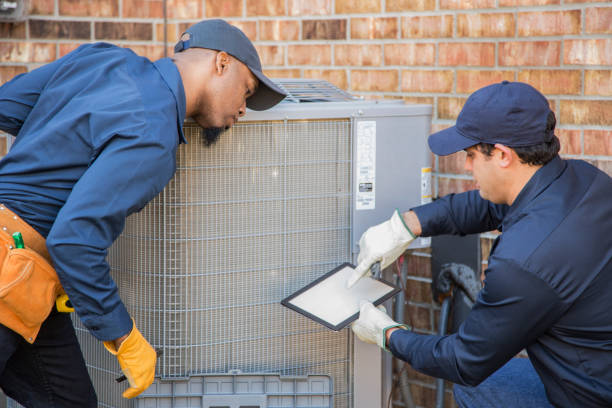
There are several reasons why an HVAC system might operate below its optimal capacity.
- A clogged air filter restricts airflow, forcing the system to work harder.
- Low refrigerant levels can impact cooling performance significantly.
- Lack of regular servicing leads to dust buildup on coils and other components.
- Older systems often lack modern efficiency features found in newer models.
Steps to Improve Efficiency
- Schedule regular maintenance with a licensed professional.
- Replace air filters at least every 1–3 months.
- Seal duct leaks to prevent loss of heated or cooled air.
- Upgrade older units with energy-efficient models certified by Energy Star.
- Install a programmable thermostat for better temperature control.
Reduced HVAC efficiency not only leads to increased costs but also compromises comfort and reliability over time. By taking preventative steps and addressing inefficiency promptly, you can extend your system’s lifespan while minimizing expenses in both energy use and repairs.
Signs Your AC System’s Lifespan is Shortened and When Replacement is Necessary
Your air conditioner plays a crucial role in maintaining home comfort, especially during warmer months. However, like any mechanical system, it has a finite lifespan. Here’s what to look for and when to consider a replacement.
Common Signs That Indicate a Declining AC System
- For example:
| Repair Frequency | Cost per Repair | Total Annual Expense | |——————|—————–|———————–| | 2-3 times/year | $300-$500 | $600-$1,500 | - Does your home take longer to cool? Uneven cooling across rooms or persistent warm spots could signal an aging or failing system that can’t keep up with demand.
- Older systems often work harder and use more energy to achieve the same results as newer models.
- Grinding, squealing, or banging sounds could indicate worn-out components such as motors or compressors.
- Musty odors might suggest mold growth in the ducts or condensation issues caused by poor performance.
- A system nearing its end-of-life cycle usually becomes less efficient, consuming more electricity to perform at minimal capacity.
- Compare energy bills from previous years; significant increases without changes in usage habits may point to an aging unit.
- Most air conditioners have an expected lifespan of 10–15 years with proper maintenance.
- If your unit is older than this range and showing signs of decline, upgrading might be the most practical choice.
When Replacement Becomes Necessary
- Cost Analysis: If repair expenses are approaching 50% or more of the cost of a new unit, replacement is advisable.
- Efficiency Standards: Upgrading to an energy-efficient model can reduce monthly utility bills by up to 20–40%, depending on your usage patterns and local climate conditions.
- Environmental Impact: Modern HVAC systems are designed with eco-friendly features such as higher SEER (Seasonal Energy Efficiency Ratio) ratings and reduced refrigerant emissions.
Benefits of Upgrading Early
- Improved indoor air quality due to advanced filtration systems.
- Enhanced comfort with quieter operation and better temperature control.
- Fewer emergency repair calls during peak summer months.
Proactively identifying these signs can save homeowners from escalating costs while ensuring consistent comfort throughout the year. Partnering with a professional HVAC contractor for routine inspections will help you determine when it’s time for an upgrade based on technical assessments tailored specifically for your home’s needs.
Costly Repairs and Replacement: Why Choosing a Professional HVAC Contractor Matters
When it comes to your HVAC system, small issues can quickly snowball into significant problems if not addressed properly. While it might be tempting to save money by handling repairs yourself or hiring an unlicensed technician, doing so could lead to costly mistakes. A professional HVAC contractor provides the expertise, tools, and assurance necessary to maintain your system’s efficiency and longevity. Here’s why choosing a qualified contractor matters.
Expertise and Certification
Professional HVAC contractors are trained and certified to manage all aspects of HVAC installation, maintenance, and repair. They are well-versed in diagnosing complex issues that might be overlooked during DIY efforts. Certified contractors follow industry standards, ensuring compliance with local building codes and safety regulations.
- Licensed Professionals: Licensed technicians undergo rigorous training programs.
- Specialized Knowledge: They are equipped to handle advanced technologies like smart thermostats and energy-efficient systems.
- Safety First: Professionals adhere to safety protocols, reducing risks such as electrical hazards or refrigerant leaks.
Preventing Costly Mistakes
Attempting DIY fixes or hiring an inexperienced technician can often lead to errors that compromise the system’s performance or even cause permanent damage. A professional contractor offers precise troubleshooting and long-term solutions.
| Common DIY Errors | Potential Consequences |
| Incorrect sizing of components | Reduced energy efficiency or system failure |
| Poor refrigerant handling | Health risks due to leaks |
| Improper installation of parts | Increased wear-and-tear on the unit |
Professionals eliminate these risks by addressing underlying problems correctly.
Long-Term Cost Savings
Although hiring a skilled contractor may seem expensive initially, it often reduces overall costs in the long run by preventing frequent breakdowns or premature replacements.
Key factors contributing to cost savings include:
Efficient Repairs: Accurate issue resolution minimizes additional expenses.
Extended System Lifespan: Proper servicing ensures your AC unit lasts longer.
Energy Efficiency: Regular professional tune-ups optimize energy use, lowering utility bills.
Warranty Protection
Manufacturers often provide warranties for parts and labor if installations or repairs are performed by licensed professionals. Unauthorized work may void these warranties, leaving homeowners responsible for repair costs down the line.
A qualified HVAC contractor: – Keeps your warranty intact. – Provides documentation for work performed. – Ensures high-quality parts are used during repairs.
Peace of Mind
Enlisting a professional allows homeowners to focus on other priorities without worrying about recurring HVAC problems. Skilled contractors not only resolve current issues but also provide preventative maintenance plans designed to avoid future complications.
Investing in a professional HVAC contractor is more than an expense—it is an investment in the comfort, safety, and efficiency of your home environment. Choosing expertise over cost-cutting shortcuts ensures long-term value for both your property and peace of mind.
Importance of Maintaining Indoor Air Quality with the Help of an HVAC Expert
Maintaining indoor air quality (IAQ) is essential for ensuring a healthy and comfortable living environment. Poor air quality can lead to health problems, decreased productivity, and damage to your HVAC system over time. By working with an experienced HVAC professional, homeowners can proactively address these concerns while improving the overall efficiency of their heating, ventilation, and air conditioning systems.
Why Indoor Air Quality Matters
Indoor air quality directly impacts the health and well-being of everyone in the household.
- Respiratory Issues: Dust, mold spores, pet dander, and other allergens can exacerbate asthma or cause respiratory problems.
- Increased Allergies: Poorly maintained HVAC systems can circulate allergens throughout your home.
- Reduced Comfort: Stale or unfiltered air can result in unpleasant odors and discomfort.
- Health Risks: Prolonged exposure to pollutants like carbon monoxide or volatile organic compounds (VOCs) from household products can pose serious health risks.
How an HVAC Expert Can Help
HVAC contractors specialize in diagnosing and improving indoor air quality. Their expertise ensures that your home’s environment is clean, safe, and efficient.
- Regular Maintenance
Routine inspections by an HVAC professional help identify issues before they escalate. This includes cleaning or replacing filters, checking vents for blockages, and ensuring proper airflow. - Air Filtration Solutions
Experts recommend high-quality filters or advanced filtration systems such as HEPA filters to trap even the smallest particles of dust and pollutants. - Ductwork Cleaning
Over time, ducts accumulate dirt and debris that may recirculate through your home’s air supply. An HVAC technician will clean ductwork to remove contaminants effectively. - Humidity Control
Improper humidity levels can encourage mold growth or make indoor spaces uncomfortable. Professionals often install dehumidifiers or humidifiers to maintain ideal humidity levels (30%-50%). - Installing Air Purifiers
HVAC contractors can integrate whole-home purification systems that neutralize airborne germs, bacteria, VOCs, and allergens.
Key Benefits of Professional IAQ Maintenance
| Benefit | Description |
| Improved Health | Reduces asthma triggers and protects against harmful pollutants |
| Energy Efficiency | Cleaner systems consume less energy |
| Longer System Lifespan | Regular maintenance reduces strain on components |
| Peace of Mind | Ensures compliance with safety standards |
DIY Measures vs Professional Expertise
While homeowners may take small steps like replacing filters regularly or vacuuming vents, these efforts often fall short in tackling deeper-seated issues within the system. Professional technicians use advanced tools to detect hidden problems such as leaks or mold growth that DIY methods might miss.
Investing in expert services not only ensures better indoor air but also protects your health long-term while boosting system efficiency—a win-win for any homeowner who prioritizes comfort and well-being indoors.
- Top 10 Orlando AC Repair Issues and How to Solve Them in 2024
- How to Recognize When You Need Orlando AC Service for Your Air Conditioning Unit
- How a Trusted HVAC Company Orlando, FL Can Help Address Dirty Air Conditioner Dangers
- Understanding the Importance of Energy-Efficient Upgrades with Orlando AC Service
- Choosing the Right HVAC Company Orlando, FL for Timely Replacement and Home Comfort
- Finding a Reliable HVAC Company Orlando, FL: Top Signs Your System Needs Replacement
Understanding the Importance of Energy-Efficient Upgrades with Orlando AC Service

Making energy-efficient upgrades to your HVAC system is no longer just a luxury; it’s a necessity. An efficient heating, ventilation, and air conditioning (HVAC) system can significantly lower energy bills, enhance indoor comfort, and contribute to environmental sustainability. By partnering with an experienced HVAC contractor, homeowners and businesses can ensure that their system is optimized for performance while minimizing energy consumption. Here’s why energy-efficient upgrades are essential and how working with an expert makes all the difference.
The Importance of Energy Efficiency When Choosing Orlando AC Repair Services
- Reduced Energy Costs
Heating and cooling account for a significant portion of energy bills in most households and commercial buildings. Upgrading to high-efficiency systems can result in noticeable cost savings: - Modern systems use advanced technology to consume less power.
- Features like variable-speed motors or improved insulation reduce unnecessary energy waste.
- Increased Comfort
Energy-efficient systems provide consistent temperatures, better humidity control, and improved airflow: - Older or poorly maintained units may struggle to maintain consistent comfort levels.
- Upgraded systems often include smart features that adapt to your preferences.
- Environmental Benefits
Reducing energy consumption helps decrease greenhouse gas emissions: - High-efficiency equipment often uses eco-friendly refrigerants.
- Lowering the carbon footprint of your home or business supports global sustainability goals.
- Improved System Longevity
Efficient units tend to experience less wear and tear because they don’t need to work as hard to maintain desired temperatures: - This translates into fewer repairs.
- Systems typically last longer when they operate efficiently.
Top Energy-Efficient Tips for Orlando FL Air Conditioning Repair
| Upgrade Option | Benefits |
| High-Efficiency HVAC Units (SEER/AFUE Ratings) | Lower utility bills due to reduced power consumption |
| Programmable or Smart Thermostats | Optimizes temperature settings automatically for maximum efficiency |
| Air Duct Sealing & Insulation | Prevents air leaks, ensuring even heating/cooling throughout the space |
| Energy Recovery Ventilators (ERVs) | Improves indoor air quality while reducing load on existing equipment |
| Zoning Systems | Allows independent temperature control in different areas of a building |
The Role of an Experienced HVAC Contractor
- Comprehensive Assessment: A skilled contractor evaluates your current system’s performance, identifying areas for improvement such as ductwork leaks or outdated equipment.
- Proper Equipment Sizing: Oversized or undersized units can lead to inefficiencies; professionals ensure you get the right-sized system for your needs.
- Access to Advanced Technology: Contractors stay updated on the latest advancements in HVAC technology, offering cutting-edge solutions tailored to your property.
- Compliance with Regulations: They ensure that installations meet local codes, safety standards, and manufacturer guidelines for warranty purposes.
Tips for Maximizing Efficiency After Your Upgrade
- Schedule regular maintenance services at least twice per year.
- Replace air filters every 1–3 months based on usage and manufacturer guidelines.
- Use ceiling fans alongside your upgraded system to improve airflow without increasing energy use.
- Monitor thermostat settings; avoid drastic temperature changes which force systems to work harder.
Investing in energy-efficient upgrades is one of the smartest decisions homeowners and businesses can make today. By collaborating with an experienced contractor who understands modern technology and implementation techniques, you’ll maximize both savings and comfort while contributing positively toward environmental sustainability goals.
Discover the Benefits of Energy-Efficient Upgrades with an HVAC Company Orlando, FL
Energy-efficient upgrades to your HVAC system are essential for reducing energy consumption, lowering utility bills, and creating a more sustainable environment. Working with a skilled HVAC contractor ensures these upgrades are performed effectively and professionally. Here is why energy-efficient improvements matter and how an experienced contractor can help.
Why Energy-Efficient Upgrades Are Important
- Modern HVAC systems consume significantly less energy compared to older models.
- Upgrading to energy-efficient units can reduce utility bills by up to 20-30%.
- Energy-efficient systems produce fewer greenhouse gas emissions.
- These upgrades contribute to global efforts in combating climate change.
- Newer systems regulate indoor temperatures more accurately, enhancing comfort year-round.
- Homes equipped with efficient HVAC systems typically have higher resale values.
Common Energy-Efficient Upgrades
- High-Efficiency Air Conditioners and Furnaces:
Look for units with ENERGY STAR certification or high SEER (Seasonal Energy Efficiency Ratio) ratings. - Programmable or Smart Thermostats:
Automate temperature settings based on your schedule, reducing unnecessary system operation during unoccupied hours. - Duct Sealing and Insulation Improvements:
By sealing air leaks in ducts and adding insulation, homeowners can prevent conditioned air from escaping. - Zoning Systems:
Divide your home into zones that can be heated or cooled individually, reducing the load on the system. - Energy Recovery Ventilators (ERVs) or Heat Recovery Ventilators (HRVs):
Improve indoor air quality while minimizing heating or cooling loss from ventilation.
Role of an HVAC Contractor in Ensuring Efficiency
- Expert Assessment of Your System’s Needs: Contractors perform detailed evaluations to determine which components need upgrading for better efficiency.
- Proper Installation Techniques: Poor installation may reduce even a top-tier system’s efficiency significantly; contractors ensure compliance with manufacturer guidelines.
- Customized Solutions for Your Home: They consider factors like home size, layout, climate conditions, and your budget before recommending upgrades.
- Ongoing Maintenance Services: Regular tune-ups keep your system running efficiently throughout its lifespan while preventing costly repairs down the line.
Tools and Metrics Used by Contractors
| Metric | Description | Ideal Range |
| SEER Rating | Measures AC unit’s cooling efficiency | ≥13 (standard), ≥20 (high-efficiency) |
| AFUE Percentage | Indicates furnace heating efficiency | ≥80% (standard), ≥95% (high-efficiency) |
| Manual J Calculation | Determines correct system size for your home | Tailored per square footage |
| Duct Leakage Testing | Evaluates air loss due to leaks in ductwork | Minimal leakage preferred |
By understanding these factors and working closely with a trusted contractor, homeowners can achieve optimal energy savings while maintaining comfort indoors year-round.
The Benefits of Hiring a Professional HVAC Contractor for Programmable Thermostat Installation
Programmable thermostats have revolutionized the way homeowners and businesses manage indoor temperatures, offering significant benefits in terms of comfort, convenience, and energy efficiency. However, installing a programmable thermostat is not always as straightforward as it seems. Enlisting the expertise of a professional HVAC contractor ensures that the installation process is seamless and that you maximize the device’s potential. Below, we explore the key advantages of hiring an expert for this task.
Proper Evaluation of Your HVAC System
A professional HVAC contractor begins by assessing your current system to determine compatibility with the programmable thermostat. This step is crucial because:
– Not all thermostats are universally compatible with every HVAC system.
– Incorrect pairing can cause inefficiencies or even damage to your equipment.
– Contractors can recommend models tailored to your specific needs, whether you have a basic system or one with advanced zoning features.
Hiring a technician eliminates guesswork and ensures your investment aligns with your existing heating and cooling infrastructure.
Expertise in Wiring and Installation
Many programmable thermostats require precise wiring to function properly. A small mistake during DIY installation can lead to:
– Short circuits that damage both the thermostat and your HVAC system.
– A malfunctioning device that fails to regulate temperature accurately.
– Voided warranties if errors result from improper setup.
Professional contractors are trained to handle electrical components safely and effectively, ensuring all connections are secure and compliant with local electrical codes.
Optimized Programming for Energy Efficiency

- Adjusting temperature schedules for optimal energy savings during periods when spaces are unoccupied (e.g., work hours or vacations).
- Implementing advanced features like geofencing or remote access via smart technology integration, where applicable.
- Setting precise temperature ranges for maximum comfort without unnecessary energy consumption.
With their expertise, contractors ensure that you leverage every feature available on your thermostat for enhanced efficiency.
Troubleshooting Assistance Post-Installation
Even after installation is complete, issues may arise as you get familiar with operating the device. A professional contractor provides ongoing support by:
– Addressing technical problems such as connectivity issues in smart thermostats.
– Offering guidance on how to adjust settings effectively.
– Conducting routine maintenance checks on both the thermostat and HVAC system to ensure long-term functionality.
This level of customer service provides peace of mind knowing help is available should any complications occur.
| DIY Installation Risks | Professional Contractor Advantages |
| Risk of wiring errors | Expert handling ensures proper setup |
| Potential damage to HVAC components | Avoids costly repairs |
| Incompatible thermostat choice | Tailored recommendations |
| Limited knowledge of programming options | Optimized settings for savings |
Increased Energy Savings Over Time
When professionally installed and programmed correctly, programmable thermostats deliver measurable reductions in energy bills through efficient temperature regulation. According to U.S. Department of Energy estimates, homeowners can save up to 10% annually on heating and cooling costs by using these devices effectively—a return on investment that makes hiring an expert worthwhile.
By choosing an experienced HVAC contractor for your programmable thermostat installation needs, you not only ensure proper functionality but also maximize energy efficiency over time while reducing potential risks associated with DIY attempts.
How to Stay Vigilant for Warning Signs That Indicate Your HVAC System Needs Replacement
Recognizing the warning signs that your HVAC system may be nearing the end of its lifespan is essential for maintaining comfort, energy efficiency, and air quality in your home. Over time, wear and tear can cause even the most reliable systems to fail. Staying alert to these signals ensures you can address issues promptly, potentially avoiding costly breakdowns or inefficiencies.
Common Warning Signs Your HVAC System Needs Replacement
- Frequent Repairs: If your HVAC system requires constant repairs or maintenance, it could be more cost-effective to replace it rather than continuing to invest in temporary fixes.
- Rising Energy Bills: Unexplained increases in energy bills often signal declining efficiency in aging systems.
- Uneven Heating or Cooling: Difficulty maintaining consistent temperature throughout your home suggests the system may no longer be operating at full capacity.
- Strange Noises or Odors: Unusual sounds such as grinding, banging, or squealing—or foul odors—could indicate internal component failures.
- Excessive Dust or Poor Airflow: Diminished airflow and increased dust or humidity levels might mean significant issues with ducts or an outdated system.
- Age of the System: Most HVAC systems are designed to last 10–15 years. If yours is older than this range, replacement is worth considering.
Cost Analysis: Repair vs. Replacement
| Factor | Repair Costs | Replacement Costs |
| Short-term Expense | Lower | Higher |
| Long-term Efficiency | Minimal Improvement | Significant Improvement |
| Lifespan Extension | Temporary (~1–3 years) | Long-term (~10–15 years) |
| Energy Efficiency | Limited Impact | Modern upgrades available |
If repair costs exceed 50% of the price of a new unit and the system is nearing its expected lifespan, replacement often becomes the wiser option.
Benefits of Proactive Replacement
- Improved Energy Savings: Modern systems are more energy-efficient and come with features like variable-speed motors and smart thermostats that reduce utility bills.
- Enhanced Air Quality: Newer units provide better filtration systems for reducing pollutants like allergens and dust particles.
- Quieter Operation: Advanced designs eliminate many of the noise issues associated with older models.
- Rebates and Incentives: Many manufacturers and local utilities offer rebates for upgrading to energy-efficient equipment.
Regular Maintenance Helps Delay Replacement
While all systems eventually need replacement, regular maintenance can extend their life expectancy. Professional tune-ups ensure proper functioning by addressing minor issues before they escalate into major problems.
Key maintenance tips include: – Replacing air filters every 1–3 months – Scheduling annual inspections with a certified contractor – Cleaning ducts periodically – Monitoring refrigerant levels
By staying vigilant about warning signs and carefully weighing options between repair and replacement, homeowners can ensure their HVAC systems continue providing reliable performance while minimizing downtime and expenses.
Top Reasons to Choose an Experienced HVAC Contractor for Air Conditioning Repair and Installation
When your air conditioning system malfunctions or requires a new installation, working with an experienced HVAC contractor can make all the difference. From ensuring reliable performance to maintaining energy efficiency, skilled contractors bring expertise and knowledge that deliver lasting benefits. Below are the key reasons why hiring a seasoned professional is essential for air conditioning repair and installation.
Expertise in Diagnosing and Resolving Issues
- Inconsistent cooling or temperature fluctuations
- Unusual noises or vibrations during operation
- Refrigerant leaks leading to inefficient cooling
- Electrical connection problems within the system
Their ability to pinpoint the root cause ensures that repairs are precise, preventing further damage or unnecessary costs.
Proper Installation Techniques for Long-Term Efficiency
- Optimized airflow for consistent cooling
- Reduced risk of breakdowns due to improper setup
- Enhanced energy efficiency, which lowers utility bills over time
A proper installation sets the foundation for your system’s longevity and cost-effective operation.
Compliance with Building Codes and Safety Regulations
| Aspect | Why It Matters |
| Electrical Wiring | Reduces fire risk by ensuring proper connections |
| Refrigerant Handling | Protects the environment from harmful leaks |
| Ventilation Requirements | Improves indoor air quality |
Adhering to these standards not only protects your family but also prevents potential legal or insurance problems.
Access to High-Quality Tools and Equipment
- Digital refrigerant gauges for precise readings
- Vacuum pumps for efficient refrigerant removal
- Sheet metal tools for custom ductwork modifications
Using specialized equipment reduces errors, saving you both time and money in the long run.
Warranty Protection on Services and Parts
Most experienced HVAC contractors offer warranties on their services as well as manufacturer warranties on parts they supply. This added security provides financial protection against unexpected breakdowns after repair or installation work has been completed.
Key warranty benefits include:
1. Coverage against faulty parts or poor workmanship
2. Peace of mind knowing qualified professionals stand by their work
3. Reduced out-of-pocket expenses if future issues arise
Always review warranty terms provided by your contractor before starting any project.
Hiring an experienced HVAC contractor ensures efficient repair processes, proper installations, regulatory compliance, access to cutting-edge tools, and peace of mind through warranties. These factors collectively contribute to a reliable air conditioning system that operates smoothly year-round while saving you costs over its lifetime.
- Top 10 Orlando AC Repair Issues and How to Solve Them in 2024
- How to Recognize When You Need Orlando AC Service for Your Air Conditioning Unit
- How a Trusted HVAC Company Orlando, FL Can Help Address Dirty Air Conditioner Dangers
- Understanding the Importance of Energy-Efficient Upgrades with Orlando AC Service
- Choosing the Right HVAC Company Orlando, FL for Timely Replacement and Home Comfort
- Finding a Reliable HVAC Company Orlando, FL: Top Signs Your System Needs Replacement