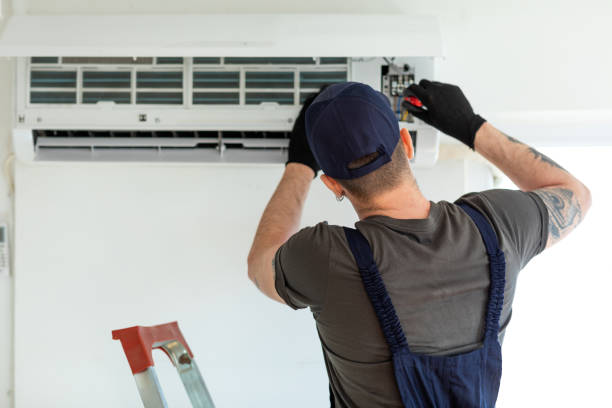
Air conditioning systems are vital for maintaining comfortable indoor temperatures, especially during extreme weather conditions. However, like any mechanical system, they have a finite lifespan. Knowing when your AC unit requires immediate replacement is crucial to avoid costly repairs and ensure maximum efficiency. Below are key signs that indicate it’s time to consider replacing your air conditioning unit.
1. Frequent Breakdowns
If you find yourself calling an HVAC technician multiple times a year for repairs, it may be more cost-effective to replace the unit entirely. Frequent malfunctions suggest that the system is reaching the end of its useful life. Keep track of repair costs—if they approach or exceed 50% of the cost of a new unit, replacement might be the better option.
2. Rising Energy Bills
A noticeable increase in your energy bills without a change in usage patterns can point to an inefficient AC system. Older units tend to lose efficiency over time due to wear and tear on internal components. Replacing your outdated air conditioner with an energy-efficient model can significantly reduce utility costs while improving performance.
3. Uneven Cooling or Poor Performance
If some rooms in your home are too warm while others are too cold, or if your AC struggles to maintain consistent temperatures despite proper maintenance, it could be a sign that the system is no longer adequate for your needs. Aging systems may also fail to remove humidity effectively, leading to discomfort.
4. Unusual Noises and Odors
Loud banging, screeching, or grinding noises from your air conditioner often signal severe mechanical issues such as failing motors or compressors. Similarly, unpleasant odors—whether musty (indicating mold) or burning (suggesting electrical problems)—should not be ignored and may necessitate immediate replacement.
5. Expired Lifespan
Most air conditioning units have a lifespan of around 10–15 years when properly maintained. If your system is nearing or has exceeded this range, its performance and efficiency will likely decline significantly despite regular servicing.
| Common Lifespan by Unit Type | Average Years |
| Central Air Conditioning | 12–15 |
| Ductless Mini-Split Systems | 15–20 |
6. Use of R-22 Refrigerant
Older AC units often rely on R-22 refrigerant (commonly known as Freon), which has been phased out due to environmental concerns. If your system uses R-22 and requires refrigerant replenishment or repairs involving leaks, replacing it with a modern unit that utilizes eco-friendly refrigerants like R-410A is recommended.
Top Reasons to Replace Your Air Conditioning Unit with an HVAC Company Orlando, FL
- Improved Energy Efficiency: Newer models offer higher SEER (Seasonal Energy Efficiency Ratio) ratings.
- Lower Repair Costs: Reduced need for frequent maintenance.
- Enhanced Comfort: Better temperature control and humidity management.
- Eco-Friendliness: Compliance with modern environmental standards and refrigerants.
- Increased Home Value: A new HVAC system can boost property resale value.
Recognizing these signs early enables homeowners to plan their budget effectively while avoiding unnecessary downtime caused by an unexpected AC failure during peak seasons. Regular maintenance and periodic evaluations by licensed HVAC professionals can further help extend the life of newer systems post-replacement.
By identifying these issues early on and acting promptly, you can ensure that your home remains comfortable year-round while minimizing unexpected expenses related to emergency replacements.
Comprehensive Guide to the Orlando AC Repair Evaluation Process During an HVAC Service Appointment
When you schedule an HVAC service appointment, it’s important to understand what should take place during the evaluation process. A thorough inspection helps diagnose potential issues, ensures your system is running efficiently, and prevents costly repairs down the road. Below is a detailed breakdown of what to expect during a professional HVAC service appointment.
1. Initial System Assessment
- Visual Inspection: Checking for visible signs of wear, rust, corrosion, or damage to components such as coils, fans, and ductwork.
- Operational Testing: Turning on the system to assess its performance in both heating and cooling modes.
- Noise Diagnosis: Listening for unusual noises like grinding or squealing that may indicate mechanical issues.
The purpose of this step is to identify any glaring concerns and determine if further diagnostics are needed.
2. Thermostat Check
- The technician will verify that the thermostat is calibrated correctly.
- Programmable settings will be checked to ensure alignment with your usage patterns.
- If necessary, you may receive recommendations for upgrading to a smart thermostat for better efficiency.
3. Airflow and Ductwork Inspection
| Common Ductwork Issues Checked | Potential Impacts |
| Leaks or cracks | Loss of efficiency |
| Clogs or obstructions | Restricted airflow |
| Poor insulation | Energy waste |
Proper airflow ensures that your system operates at peak capacity while maintaining consistent comfort throughout your home.
4. Refrigerant Level Examination
- The technician measures refrigerant levels using specialized tools.
- Any leaks in the refrigerant lines are identified and repaired.
- Recommendations are made if recharging or replacement fluids are needed.
Low refrigerant levels can lead to inefficient cooling and excessive energy consumption.
5. Mechanical Component Inspection
- Motors
- Belts
- Fans
- Compressors
Any worn-out or damaged components are noted and replaced as needed to prevent breakdowns during peak usage seasons.
6. Cleaning Tasks
- Removing debris from outdoor units (for central air systems).
- Cleaning condenser coils and evaporator coils to optimize heat exchange processes.
- Replacing dirty air filters with clean ones—this simple task alone significantly boosts performance.
7. Safety Checks
- Inspecting electrical connections for fraying wires or loose terminals.
- Ensuring gas lines in heating systems are secure (if applicable).
- Testing carbon monoxide detectors near heating equipment.
These measures protect both your family’s safety and your equipment’s longevity.
Why Is the Evaluation Process Important?
- Improved System Longevity: Early detection of small issues prevents larger problems from developing over time.
- Better Efficiency: Regular maintenance reduces energy consumption while maintaining optimal comfort levels.
- Cost Savings: Preventative care lowers repair costs by addressing minor concerns before they escalate into major failures.
By understanding these steps, homeowners can ensure their HVAC system remains reliable year-round while avoiding unnecessary expenses associated with neglecting routine maintenance tasks.
Regularly scheduling service appointments not only optimizes performance but also adds years to the life of your equipment—making it a valuable investment in home comfort management strategies over time.
Optimal Solutions for Orlando FL Air Conditioning Repair and HVAC Maintenance
Regular maintenance of your HVAC system can ensure its longevity and efficiency, but there comes a time when critical components will need replacement. Recognizing when and why essential HVAC parts should be replaced is vital to prevent costly breakdowns, maintain energy efficiency, and ensure optimal performance. Below is an overview of common HVAC parts that may need replacement and the reasons behind it.
Common HVAC Parts That Require Replacement
- When to Replace: Every 1-3 months, depending on usage and air quality.
- Why: Dirty air filters reduce airflow, strain the system, increase energy bills, and diminish indoor air quality.
- When to Replace: If leaks are detected or if refrigerant levels drop frequently.
- Why: Refrigerant leaks can cause a drop in cooling performance, increase energy consumption, or damage the compressor over time.
- When to Replace: When unusual noises occur or airflow significantly decreases.
- Why: A faulty blower motor disrupts even distribution of heated or cooled air throughout your space.
- When to Replace: Typically every 5-10 years or if issues such as system failure or intermittent operation arise.
- Why: These electrical components power the motors in your unit; worn-out capacitors or contactors can cause frequent start-up failures.
- When to Replace: If it malfunctions, fails to calibrate temperature accurately, or cannot connect with modern smart systems.
- Why: A defective thermostat leads to inconsistent indoor temperatures and inefficient system operation.
- When to Replace: When it fails completely or repairs become cost-prohibitive compared to replacement.
- Why: As the “heart” of an AC system, a damaged compressor can lead to total failure of cooling functions.
Signs That Indicate It’s Time for Replacement
- Frequent cycling on/off (short cycling).
- Increased utility bills despite regular maintenance.
- Unusual noises such as banging, clicking, or hissing from your system.
- Inconsistent heating/cooling performance across different areas of your home.
- Excessive moisture around refrigerant lines or other components.
Tips for Efficient Part Replacement
- Work with a licensed HVAC professional who has experience diagnosing part failures correctly.
- Use high-quality replacement parts recommended by the manufacturer for compatibility with your existing unit.
- Consider upgrading key components like thermostats or motors for improved energy efficiency when replacing older parts.
- Always request a detailed inspection report from your technician during routine maintenance visits so potential issues can be addressed proactively before they escalate into major problems.
| Part Type | Expected Lifespan | Signs It Needs Replacement |
| Air Filter | 1–3 months | Dust buildup; reduced airflow |
| Capacitor | 5–10 years | System won’t start; humming noise |
| Thermostat | 7–10 years | Temperature inconsistency |
| Blower Motor | 10–20 years | Poor airflow; strange sounds |
| Compressor | 10–15 years | System not cooling effectively |
Proper upkeep coupled with timely part replacements plays a significant role in keeping your HVAC system running optimally year-round. By addressing failing components early on, you’ll save money on repairs while ensuring comfort and reliability for years ahead.
How Changing Air Filters Regularly Impacts HVAC Efficiency and Performance
Proper maintenance is critical for ensuring your HVAC system operates efficiently and effectively. One of the simplest yet most impactful tasks you can perform is regularly changing your air filters. Over time, air filters accumulate dirt, dust, and debris, which can negatively affect both the performance of your system and the quality of indoor air. Below, we explore why this seemingly small task is so essential and how it impacts your HVAC system.
Benefits of Regularly Changing Air Filters
- A clogged or dirty filter forces your HVAC system to work harder to pull air through.
- Increased energy demand leads to higher utility bills.
- Clean filters enable smooth airflow, reducing strain on the motor and conserving energy.
- Dirty filters allow allergens, dust particles, and bacteria to circulate in the air.
- Regular replacement ensures contaminants are trapped effectively, promoting healthier indoor environments.
- This is especially important for households with individuals prone to allergies or asthma.
- Neglected filters can cause overheating or wear down components like fans and motors due to increased workload.
- Regular maintenance reduces unnecessary stress on the HVAC unit and helps avoid costly repairs.
- With proper filter changes, the system will function efficiently for its intended lifespan or longer.
- A dirty filter restricts airflow, causing uneven temperatures throughout your home.
- Clean filters ensure even distribution of heated or cooled air in all areas.
How Often Should You Change Your Air Filter?
| Usage/Condition | Recommended Frequency |
| Standard fiberglass filters | Every 30 days |
| Pleated high-efficiency filters | Every 3 months |
| Homes with pets | Every 60 days |
| Allergy sufferers | Every 20-45 days |
| Light HVAC usage (seasonal homes) | Once every 6-12 months |
Steps for Replacing an Air Filter
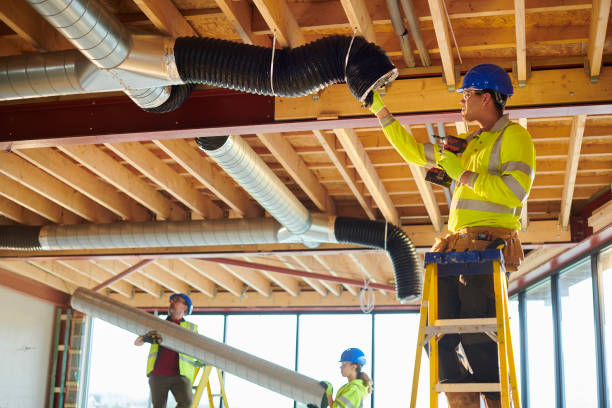
To change an air filter properly:
1. Turn off your HVAC system before replacing the filter to prevent debris from entering the unit.
2. Locate the air filter compartment (usually near return air duct or blower section).
3. Remove the old filter carefully to avoid spreading trapped debris into surrounding areas.
4. Check dimensions printed on the old filter or manual; purchase a compatible replacement size/type if needed.
5. Insert the new filter with arrows pointing in the direction of airflow (toward ductwork/fan).
6. Securely close any panels before turning back on your system.
Signs You Need an Immediate Filter Change
Even if you’re following a regular schedule, certain symptoms may indicate it’s time for a quicker replacement: – Dust buildup around vents or registers – A noticeable decrease in airflow – An increase in allergy symptoms indoors – Unexpected spikes in energy bills
Regular attention to changing air filters is one of the most cost-effective ways to enhance HVAC efficiency while maintaining comfort inside your home year-round. Neglecting this routine maintenance step can lead to expensive repairs, poor indoor air quality, and higher operational costs over time—issues that are easily avoided with proper care.
How Changing Air Filters Regularly Impacts HVAC Efficiency and Performance
Regularly changing your air filters is one of the simplest yet most effective maintenance tasks you can perform to ensure your HVAC system operates efficiently. This seemingly small step has a significant impact on the system’s performance, energy consumption, and indoor air quality. Below are key reasons why regular air filter changes are essential for your HVAC system.
Benefits of Changing Air Filters
- Improved Energy Efficiency
Dirty or clogged air filters restrict airflow, forcing your HVAC system to work harder than necessary. This increased strain leads to higher energy consumption and utility bills. A clean air filter allows for smooth airflow, reducing the workload on your system and helping it operate at peak efficiency. - Enhanced Indoor Air Quality
Air filters trap dust, allergens, pet dander, and other airborne particles circulating in your home. Over time, these contaminants accumulate in the filter. If not replaced regularly, the filter becomes ineffective and can allow pollutants into your living spaces. Clean filters ensure that the air you breathe is healthier and free from harmful particles. - Extended Lifespan of Your HVAC System
When an air filter is dirty or clogged, it forces your HVAC system to overwork to maintain desired temperatures. This additional strain can lead to wear and tear on critical components like fans and motors. Regularly replacing filters reduces unnecessary stress on the system, extending its overall lifespan. - Consistent Comfort Levels
An obstructed airflow caused by a dirty filter can make it difficult for your HVAC system to maintain consistent temperatures throughout your home. Clean filters promote even airflow distribution across all rooms, keeping you comfortable regardless of seasonal changes.
How Often Should You Change Your Air Filters?
| Factors | Recommended Frequency |
| Type of Filter | 1-6 months |
| Home with Allergies | Every 1-2 months |
| Pets in Home | Every 2 months |
| Standard Usage | Every 3 months |
Always consult the manufacturer’s guidelines for specific recommendations regarding your HVAC unit’s make and model.
Signs Your Air Filter Needs Replacement
- Increased dust buildup around vents or furniture.
- Unusual odors when the system is running.
- Higher-than-normal energy bills.
- Reduced airflow from vents.
- Allergy symptoms like sneezing or coughing due to poor indoor air quality.
Best Practices for Maintaining Clean Air Filters
- Set reminders every few months to check or replace the filters.
- Use high-quality HEPA (High-Efficiency Particulate Air) filters if allergies are a major concern.
- Inspect additional components like ducts and vents during filter replacement for any buildup or blockages.
By making regular air filter changes a priority, you can not only improve comfort levels at home but also save money on repairs and energy costs long term while preserving the health of those in your household.
Expert Tips for Choosing the Right HVAC Contractor for Your Needs
Selecting the right HVAC contractor is a critical decision that impacts the comfort, safety, and efficiency of your home or business. With numerous options available, it can be challenging to differentiate between professionals who truly excel in their field and those who may fall short. Below are expert tips to guide you in choosing the best contractor for your HVAC needs.
Verify Proper Licensing and Certification
Before hiring an HVAC contractor, ensure they possess the necessary licenses and certifications required by your state or municipality. This ensures that they meet industry standards for safety and technical expertise. Look for contractors with certifications from recognized organizations like:
– NATE (North American Technician Excellence)
– HVAC Excellence
– EPA Section 608 Certification (for handling refrigerants)
These credentials reflect a commitment to ongoing education and adherence to industry best practices.
Assess Experience and Specialization
It’s essential to choose a contractor with extensive experience handling systems similar to yours. Ask questions such as:
– How many years have you been in business?
– Do you specialize in residential, commercial, or both types of HVAC systems?
– Are you familiar with energy-efficient systems or smart HVAC technologies?
An experienced contractor will have the expertise needed to resolve complex problems while ensuring optimal system performance.
Check References and Reviews
Researching online reviews from previous customers can provide valuable insights into a contractor’s reliability, professionalism, and quality of work. Platforms like Google Reviews, Yelp, or specialized industry sites are excellent resources.
Additionally:
– Request references directly from the contractor.
– Speak with past clients about their experiences regarding timeliness, communication, and workmanship.
Compare Written Estimates
Never settle on an estimate based solely on price. Always request written estimates from at least three contractors before making a decision. A detailed estimate should include:
| Itemized Costs | Description | Notes |
|—————–|————-|——-|
| Labor Fees | Installation/Repair labor costs | Ensure competitive pricing |
| Equipment Costs | Price of replacement parts/system units | Verify brands/models offered |
| Warranty Terms | Coverage details for parts & labor | Look for long-term guarantees |
Avoid contractors who provide vague or verbal quotes without documentation.
Evaluate Communication Skills
A professional contractor should prioritize clear communication throughout every step of the process. Key indicators include:
– Willingness to answer questions thoroughly
– Providing detailed explanations about repair or installation options
– Offering transparent timelines for project completion
Contractors who communicate well are more likely to establish trust and deliver results tailored to your specific needs.
Look for Maintenance Plans and Energy-Saving Solutions
A high-quality HVAC contractor doesn’t just handle installations—they also offer preventive maintenance plans designed to extend system life while improving efficiency. Inquire about service packages that include regular inspections, cleaning schedules, or tune-ups tailored toward energy savings.
Finally, choose contractors who emphasize eco-friendly solutions such as programmable thermostats or high-efficiency systems that align with current energy standards.
By taking these steps during your search process—testing qualifications rigorously while assessing customer feedback—you can secure a skilled professional capable of delivering reliable results long-term without unnecessary stress or cost overruns.
Maximizing Energy Efficiency with Smart HVAC System Upgrades
Upgrading your HVAC system with smart technology is one of the most effective ways to improve energy efficiency and reduce utility costs. Modern advancements in HVAC systems enable homeowners and businesses to better control their heating, ventilation, and cooling, all while minimizing energy waste. Below are some detailed insights into how smart upgrades can transform the efficiency of your system.
Benefits of Smart HVAC System Upgrades
- Improved Energy Monitoring
Smart HVAC systems allow for real-time tracking of energy usage. With mobile apps or web-based platforms, you can monitor how much energy your system consumes daily, weekly, or monthly. This data empowers you to adjust settings for maximum efficiency. - Enhanced Temperature Control
Programmable thermostats and smart temperature controls enable precise management of indoor temperatures. Many smart thermostats can learn your preferences over time or adjust based on occupancy patterns to avoid unnecessary heating or cooling. - Cost Savings
By reducing wasted energy through optimized settings, homeowners and businesses often see a noticeable drop in utility bills. Although the initial investment in a smart HVAC upgrade may be higher, the long-term savings typically outweigh upfront costs. - Remote Access and Automation
With Wi-Fi-enabled systems, you can control your HVAC setup remotely using smartphones or other connected devices. Whether you’re at work or on vacation, adjusting settings is quick and convenient. - Eco-Friendly Operation
Smart systems are designed to be environmentally conscious by reducing emissions tied to excessive energy consumption.
Types of Smart Upgrades for Your HVAC System
- Smart Thermostats: Devices like Nest, Eco bee, or Honeywell offer intuitive interfaces and advanced features such as geofencing (adjusting temperature when users leave or approach home) and energy reports.
- Zoned Systems: Install zoning dampers that allow separate areas (zones) in your home or building to be heated/cooled individually.
- Variable Speed Compressors: These compressors adjust output levels based on demand rather than running at full capacity all the time.
- Smart Vents: Connected vents help optimize airflow throughout different rooms by opening or closing based on temperature needs.
| Upgrade Type | Key Benefit |
| Smart Thermostat | Optimized temperature control |
| Zoned Systems | Personalized comfort by area |
| Variable Speed Motors | Reduced energy consumption |
| Smart Vents | Equalized airflow distribution |
How to Get Started with a Smart Upgrade
- Consult a professional HVAC contractor who specializes in smart systems for a system evaluation.
- Identify older components that may benefit from replacement alongside new technology installations.
- Ensure compatibility between existing equipment and proposed upgrades.
- Take advantage of rebates or incentives offered for energy-efficient improvements by local utility providers.
Investing in smart upgrades not only enhances comfort but also contributes significantly to creating an eco-conscious living environment while keeping operational costs under control. The key lies in choosing reliable technologies suited for your specific needs and working closely with an experienced contractor during implementation steps.
The Ultimate Guide to Preparing Your Heating System for Seasonal Changes
Preparing your heating system for seasonal changes is an essential step to ensure efficiency, longevity, and comfort throughout the colder months. Neglecting proper maintenance can lead to costly repairs, poor performance, and higher energy bills. This guide outlines practical steps and expert tips to get your heating system ready for the season ahead.
1. Schedule a Professional Inspection
- Check for wear and tear on key components like heat exchangers and burners.
- Inspect electrical connections for safety risks.
- Test the system’s efficiency and airflow.
- Early detection of potential issues.
- Improved energy efficiency.
- Extended lifespan of your heating unit.
2. Clean or Replace Air Filters
- Replacing filters at least every three months or more frequently if dust accumulation is heavy or if you have pets/allergies.
Using high-quality or HEPA filters can also enhance overall air quality inside your home.
3. Test Your Thermostat Settings
- Adjust thermostat settings to match colder weather requirements.
- Consider upgrading to a programmable or smart thermostat: | Feature | Benefits | |—————————–|———————————–| | Scheduling Options | Customizes comfort settings | | Remote Access | Adjust settings from anywhere | | Energy Usage Tracking | Helps monitor consumption patterns |
A properly calibrated thermostat directly contributes to cost savings on energy bills.
4. Clean Vents and Ductwork
- Vacuuming vents regularly to remove dust buildup.
- Checking ductwork for leaks or gaps that could allow heat loss.
- Sealing any noticeable cracks with specialized duct tape or contacting a professional for major repairs.
Properly maintained duct systems help evenly distribute warm air throughout your home.
5. Inspect Your Heat Source
- Check pilot lights (in older models) and burners for proper operation.
- Clean any soot or debris buildup around openings.
- Monitor water pressure levels.
- Ensure there are no signs of corrosion around pipes.
Prompt attention at this stage minimizes risks like carbon monoxide leaks or inefficient performance during peak usage.
6. Prepare Your Home
- Seal windows/doors: Use weather stripping or caulking where drafts exist.
- Add insulation: Focus on attics/basements where heat may escape quickly.
- Reverse ceiling fans: Run fans clockwise at low speed to push warm air downward into living spaces.
These adjustments reduce strain on your HVAC unit while keeping indoor spaces consistently warm.
By carefully addressing each aspect outlined above, you’ll improve both the reliability of your heating system during colder months and its overall performance year-round.
- Top 10 Orlando AC Repair Issues and How to Solve Them in 2024
- How to Recognize When You Need Orlando AC Service for Your Air Conditioning Unit
- How a Trusted HVAC Company Orlando, FL Can Help Address Dirty Air Conditioner Dangers
- Understanding the Importance of Energy-Efficient Upgrades with Orlando AC Service
- Choosing the Right HVAC Company Orlando, FL for Timely Replacement and Home Comfort
- Finding a Reliable HVAC Company Orlando, FL: Top Signs Your System Needs Replacement