
A dirty air conditioner is more than just an inconvenience; it poses significant risks to both your health and the efficiency of your HVAC system. Over time, dirt, dust, and debris accumulate in your air conditioning unit, creating numerous problems that can lead to reduced performance, higher energy costs, and serious health concerns.
Health Risks of a Dirty Air Conditioner
When an air conditioner isn’t clean, it can circulate harmful particles throughout your home.
- Dust and Allergens: A buildup of dust in the system can exacerbate allergies or asthma symptoms for household members.
- Mold and Mildew: Moist environments within a dirty AC unit provide a breeding ground for mold spores, which can trigger respiratory issues when distributed in the air.
- Bacteria and Viruses: Poor maintenance may allow bacteria and viruses to thrive in your HVAC system, potentially increasing illness among occupants.
Performance Issues Linked to Dirt Accumulation
A poorly maintained air conditioner doesn’t just compromise health; it affects performance too.
- Reduced Cooling Efficiency: Dust on coils prevents proper heat exchange, leading to inefficient cooling.
- Higher Energy Costs: A dirty system has to work harder — consuming more energy — to achieve the desired temperature.
- Frequent Repairs: Dirt buildup stresses components like fans or compressors, resulting in costly breakdowns over time.
- Shortened Lifespan: Prolonged neglect can cause premature wear-and-tear on essential parts of the unit.
How to Address a Dirty Air Conditioner
Regular cleaning and maintenance are key strategies for avoiding these risks.
- Replace Air Filters Frequently
Replace filters every 1–3 months depending on usage or if you have pets or allergies that require cleaner airflow. - Schedule Professional Maintenance Visits
Experts recommend annual tune-ups by licensed HVAC technicians who inspect parts like compressors, coils, refrigerant levels, and ductwork for cleanliness. - Keep Outdoor Units Clear of Debris
Ensure at least two feet of clearance around outdoor condensers by removing leaves, grass clippings, or other obstructions.
DIY Cleaning Tips vs Professional Help
While some basic cleaning tasks are manageable for homeowners (e. g.
| Task | DIY Effort | Needs Professional Service |
| Changing Air Filters | Yes | No |
| Cleaning Vents/Registers | Yes | No |
| Cleaning Internal Coils | No | Yes |
| Ductwork Inspection | No | Yes |
By combining basic upkeep with professional servicing schedules, you’ll not only extend the lifespan of your air conditioner but also ensure it operates safely and efficiently year-round.
How Orlando AC Service Can Prevent Health Risks from Poor HVAC Performance
A poorly functioning HVAC system can have a significant impact on the health and well-being of those living in your home. When HVAC systems are not maintained properly, they can circulate contaminants, compromise air quality, and lead to potential health issues. Here’s a closer look at the risks and how homeowners can mitigate them.
How Poor HVAC Performance Can Lead to Needing Orlando AC Repair
- Dust, pollen, and other allergens often accumulate in poorly maintained HVAC systems. When these allergens are circulated throughout your home, they can trigger respiratory problems or exacerbate conditions like asthma and allergies.
- High humidity levels or condensation within an HVAC system can lead to mold growth inside ducts or vents. Breathing in mold spores can cause sinus congestion, throat irritation, or more severe respiratory infections for sensitive individuals.
- A dirty system may harbor bacteria and viruses that get dispersed through the air when the unit is running. Prolonged exposure to these pathogens increases the likelihood of colds, flu, or other illnesses.
- In homes where ventilation is compromised due to faulty systems, stale air with lower oxygen levels may circulate indoors instead of fresh air from outside—causing headaches, fatigue, or difficulty concentrating.
How Orlando FL Air Conditioning Repair Can Improve Air Quality for Vulnerable Groups
- Children: Children are more susceptible to pollutants due to their developing immune systems.
- Elderly: Older adults with preexisting conditions like COPD or heart diseases are especially vulnerable to poor air quality.
- Individuals with Chronic Illnesses: Poor HVAC performance worsens symptoms for those with allergies and chronic respiratory disorders.
Preventive Measures to Address These Risks
- Regular Filter Replacement:
Replace HVAC filters every 1–3 months depending on usage frequency to prevent dust buildup within vents. - Schedule Duct Cleaning:
Have your ductwork cleaned periodically by professionals who specialize in removing debris, dirt buildup, or mold traces effectively. - Invest in Air Purifiers:
Install high-quality indoor air purifiers alongside your existing system for an added layer of protection against airborne contaminants. - System Tune-Ups:
Annual inspection and maintenance ensure components such as coils remain clean while detecting potential issues early on.
| Maintenance Task | Frequency | Expected Benefit |
| Replace Air Filters | Every 1–3 months | Improves airflow & removes allergens |
| Duct Cleaning | Every 2–5 years | Removes debris & improves indoor hygiene |
| Schedule Tune-Ups | Annually | Enhances efficiency & reduces breakdowns |
Why Professional Maintenance Matters
- They identify hidden mechanical problems affecting performance.
- They ensure your system remains compliant with safety regulations.
- They provide expert advice on upgrades that improve overall efficiency while safeguarding health indoors.
Proactive care not only extends equipment lifespan but also ensures healthier living conditions year-round for you and your loved ones by optimizing both performance levels & indoor environmental quality effectively.
How Reduced System Efficiency Impacts Your HVAC System and Increases Costs
An HVAC system is one of the most critical components of any home or business, responsible for maintaining comfort and indoor air quality. However, when the system’s efficiency declines, it can lead to several problems, both financially and operationally. Understanding how reduced efficiency impacts your HVAC system and the associated costs can help you take proactive measures to mitigate these issues.
Effects of Reduced System Efficiency
When an HVAC system operates inefficiently, it often requires more energy to provide the same level of heating or cooling.
- Higher Energy Bills: An inefficient system consumes more electricity or fuel to maintain desired temperature levels.
- Increased Wear and Tear: Components such as compressors, motors, and fans are forced to work harder, reducing their lifespan.
- Inconsistent Temperatures: A poorly performing system struggles to maintain even temperatures throughout your space.
- Frequent Breakdowns: The additional strain on parts increases the likelihood of malfunctions and expensive emergency repairs.
Hidden Costs Associated with Inefficiency
| Cost Factor | Description |
| Premature System Replacement | Excessive wear may shorten your HVAC’s overall lifespan by several years. |
| Poor Indoor Air Quality (IAQ) | An inefficient system may fail to filter air properly, leading to health risks. |
| Environmental Impact | Higher energy consumption increases your carbon footprint. |
Common Causes of Reduced Efficiency
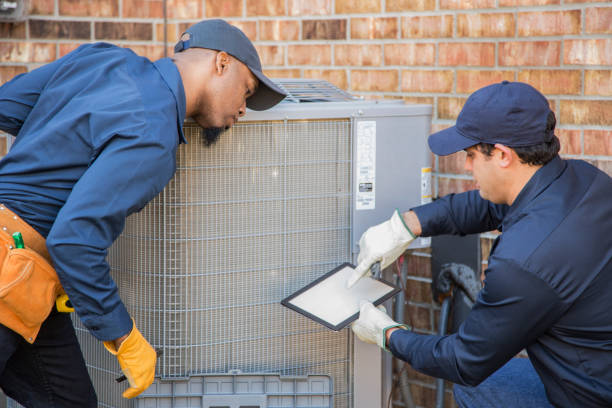
There are several reasons why an HVAC system might operate below its optimal capacity.
- A clogged air filter restricts airflow, forcing the system to work harder.
- Low refrigerant levels can impact cooling performance significantly.
- Lack of regular servicing leads to dust buildup on coils and other components.
- Older systems often lack modern efficiency features found in newer models.
Steps to Improve Efficiency
- Schedule regular maintenance with a licensed professional.
- Replace air filters at least every 1–3 months.
- Seal duct leaks to prevent loss of heated or cooled air.
- Upgrade older units with energy-efficient models certified by Energy Star.
- Install a programmable thermostat for better temperature control.
Reduced HVAC efficiency not only leads to increased costs but also compromises comfort and reliability over time. By taking preventative steps and addressing inefficiency promptly, you can extend your system’s lifespan while minimizing expenses in both energy use and repairs.
Signs Your AC System’s Lifespan is Shortened and When Replacement is Necessary
Your air conditioner plays a crucial role in maintaining home comfort, especially during warmer months. However, like any mechanical system, it has a finite lifespan. Here’s what to look for and when to consider a replacement.
Common Signs That Indicate a Declining AC System
- For example:
| Repair Frequency | Cost per Repair | Total Annual Expense | |——————|—————–|———————–| | 2-3 times/year | $300-$500 | $600-$1,500 | - Does your home take longer to cool? Uneven cooling across rooms or persistent warm spots could signal an aging or failing system that can’t keep up with demand.
- Older systems often work harder and use more energy to achieve the same results as newer models.
- Grinding, squealing, or banging sounds could indicate worn-out components such as motors or compressors.
- Musty odors might suggest mold growth in the ducts or condensation issues caused by poor performance.
- A system nearing its end-of-life cycle usually becomes less efficient, consuming more electricity to perform at minimal capacity.
- Compare energy bills from previous years; significant increases without changes in usage habits may point to an aging unit.
- Most air conditioners have an expected lifespan of 10–15 years with proper maintenance.
- If your unit is older than this range and showing signs of decline, upgrading might be the most practical choice.
When Replacement Becomes Necessary
- Cost Analysis: If repair expenses are approaching 50% or more of the cost of a new unit, replacement is advisable.
- Efficiency Standards: Upgrading to an energy-efficient model can reduce monthly utility bills by up to 20–40%, depending on your usage patterns and local climate conditions.
- Environmental Impact: Modern HVAC systems are designed with eco-friendly features such as higher SEER (Seasonal Energy Efficiency Ratio) ratings and reduced refrigerant emissions.
Benefits of Upgrading Early
- Improved indoor air quality due to advanced filtration systems.
- Enhanced comfort with quieter operation and better temperature control.
- Fewer emergency repair calls during peak summer months.
Proactively identifying these signs can save homeowners from escalating costs while ensuring consistent comfort throughout the year. Partnering with a professional HVAC contractor for routine inspections will help you determine when it’s time for an upgrade based on technical assessments tailored specifically for your home’s needs.
Costly Repairs and Replacement: Why Choosing a Professional HVAC Contractor Matters
When it comes to your HVAC system, small issues can quickly snowball into significant problems if not addressed properly. While it might be tempting to save money by handling repairs yourself or hiring an unlicensed technician, doing so could lead to costly mistakes. A professional HVAC contractor provides the expertise, tools, and assurance necessary to maintain your system’s efficiency and longevity. Here’s why choosing a qualified contractor matters.
Expertise and Certification
Professional HVAC contractors are trained and certified to manage all aspects of HVAC installation, maintenance, and repair. They are well-versed in diagnosing complex issues that might be overlooked during DIY efforts. Certified contractors follow industry standards, ensuring compliance with local building codes and safety regulations.
- Licensed Professionals: Licensed technicians undergo rigorous training programs.
- Specialized Knowledge: They are equipped to handle advanced technologies like smart thermostats and energy-efficient systems.
- Safety First: Professionals adhere to safety protocols, reducing risks such as electrical hazards or refrigerant leaks.
Preventing Costly Mistakes
Attempting DIY fixes or hiring an inexperienced technician can often lead to errors that compromise the system’s performance or even cause permanent damage. A professional contractor offers precise troubleshooting and long-term solutions.
| Common DIY Errors | Potential Consequences |
| Incorrect sizing of components | Reduced energy efficiency or system failure |
| Poor refrigerant handling | Health risks due to leaks |
| Improper installation of parts | Increased wear-and-tear on the unit |
Professionals eliminate these risks by addressing underlying problems correctly.
Long-Term Cost Savings
Although hiring a skilled contractor may seem expensive initially, it often reduces overall costs in the long run by preventing frequent breakdowns or premature replacements.
Key factors contributing to cost savings include:
Efficient Repairs: Accurate issue resolution minimizes additional expenses.
Extended System Lifespan: Proper servicing ensures your AC unit lasts longer.
Energy Efficiency: Regular professional tune-ups optimize energy use, lowering utility bills.
Warranty Protection
Manufacturers often provide warranties for parts and labor if installations or repairs are performed by licensed professionals. Unauthorized work may void these warranties, leaving homeowners responsible for repair costs down the line.
A qualified HVAC contractor: – Keeps your warranty intact. – Provides documentation for work performed. – Ensures high-quality parts are used during repairs.
Peace of Mind
Enlisting a professional allows homeowners to focus on other priorities without worrying about recurring HVAC problems. Skilled contractors not only resolve current issues but also provide preventative maintenance plans designed to avoid future complications.
Investing in a professional HVAC contractor is more than an expense—it is an investment in the comfort, safety, and efficiency of your home environment. Choosing expertise over cost-cutting shortcuts ensures long-term value for both your property and peace of mind.
Importance of Maintaining Indoor Air Quality with the Help of an HVAC Expert
Maintaining indoor air quality (IAQ) is essential for ensuring a healthy and comfortable living environment. Poor air quality can lead to health problems, decreased productivity, and damage to your HVAC system over time. By working with an experienced HVAC professional, homeowners can proactively address these concerns while improving the overall efficiency of their heating, ventilation, and air conditioning systems.
Why Indoor Air Quality Matters
Indoor air quality directly impacts the health and well-being of everyone in the household.
- Respiratory Issues: Dust, mold spores, pet dander, and other allergens can exacerbate asthma or cause respiratory problems.
- Increased Allergies: Poorly maintained HVAC systems can circulate allergens throughout your home.
- Reduced Comfort: Stale or unfiltered air can result in unpleasant odors and discomfort.
- Health Risks: Prolonged exposure to pollutants like carbon monoxide or volatile organic compounds (VOCs) from household products can pose serious health risks.
How an HVAC Expert Can Help
HVAC contractors specialize in diagnosing and improving indoor air quality. Their expertise ensures that your home’s environment is clean, safe, and efficient.
- Regular Maintenance
Routine inspections by an HVAC professional help identify issues before they escalate. This includes cleaning or replacing filters, checking vents for blockages, and ensuring proper airflow. - Air Filtration Solutions
Experts recommend high-quality filters or advanced filtration systems such as HEPA filters to trap even the smallest particles of dust and pollutants. - Ductwork Cleaning
Over time, ducts accumulate dirt and debris that may recirculate through your home’s air supply. An HVAC technician will clean ductwork to remove contaminants effectively. - Humidity Control
Improper humidity levels can encourage mold growth or make indoor spaces uncomfortable. Professionals often install dehumidifiers or humidifiers to maintain ideal humidity levels (30%-50%). - Installing Air Purifiers
HVAC contractors can integrate whole-home purification systems that neutralize airborne germs, bacteria, VOCs, and allergens.
Key Benefits of Professional IAQ Maintenance
| Benefit | Description |
| Improved Health | Reduces asthma triggers and protects against harmful pollutants |
| Energy Efficiency | Cleaner systems consume less energy |
| Longer System Lifespan | Regular maintenance reduces strain on components |
| Peace of Mind | Ensures compliance with safety standards |
DIY Measures vs Professional Expertise
While homeowners may take small steps like replacing filters regularly or vacuuming vents, these efforts often fall short in tackling deeper-seated issues within the system. Professional technicians use advanced tools to detect hidden problems such as leaks or mold growth that DIY methods might miss.
Investing in expert services not only ensures better indoor air but also protects your health long-term while boosting system efficiency—a win-win for any homeowner who prioritizes comfort and well-being indoors.
- Top 10 Orlando AC Repair Issues and How to Solve Them in 2024
- How to Recognize When You Need Orlando AC Service for Your Air Conditioning Unit
- How a Trusted HVAC Company Orlando, FL Can Help Address Dirty Air Conditioner Dangers
- Understanding the Importance of Energy-Efficient Upgrades with Orlando AC Service
- Choosing the Right HVAC Company Orlando, FL for Timely Replacement and Home Comfort
- Finding a Reliable HVAC Company Orlando, FL: Top Signs Your System Needs Replacement